How to Remove Dead Branches Without Hurting Your Tree
Understanding What You Are Cutting
Removing dead branches seems simple enough - just cut off the brown bits and move on. But a hasty cut can leave a tree open to decay, disease, or structural failure. The goal is to take away only the dead wood while letting the living tissue heal cleanly. That means knowing where one branch ends and the tree trunk or another branch begins, and understanding how a tree seals a wound.
A tree does not "heal" the way skin does. Instead it grows new wood around the injury, walling off the damaged area. If you cut into the living collar at the base of a branch, you create a wound the tree may never close. That is where rot and insects get in. A clean removal that respects the branch collar lets the tree compartmentalize the injury and stay healthy for years.
When to Remove Dead Branches
The best time for this kind of work is late winter or early spring, before leaves emerge. The bare canopy makes it easy to see which branches are dead, and the tree is still dormant so the cuts cause less stress. Summer and fall also work as long as you avoid very hot, dry spells that can stress the tree further. Emergency removals - a broken limb after a storm - should happen as soon as it is safe, regardless of season.
If you are already doing storm prep pruning before the windy season, that is the ideal moment to inspect the canopy for dead or dying branches. Dead wood is brittle and breaks unpredictably in high winds. Taking it out ahead of time reduces the chance of a limb falling on your house or car. One round of storm prep pruning each year, combined with a check after heavy storms, keeps the tree sound and your property safer.
Tools You Will Need
For most homeowners, a few basic tools cover the job:
- Hand pruners for small branches up to three-quarters of an inch thick
- Loppers for branches up to about two inches thick
- A pruning saw for anything larger; a curved blade helps you work in tight spaces
- A pole saw or pole pruner for branches you cannot reach from the ground
- Safety glasses and work gloves to protect your eyes and hands
Keep your tools sharp. Clean cuts heal faster than ragged ones. If you are cutting through any branch that shows signs of disease, wipe the blade with rubbing alcohol or a 10 percent bleach solution before moving to the next cut. That stops you from spreading infection from one part of the tree to another.
Step-by-Step: Removing a Dead Branch
Step 1: Identify the branch collar
Where a branch meets the trunk or a larger limb, look for a swollen ring of bark and wood. That is the branch collar. On a living branch the collar is plump and clearly defined. On a dead branch the collar may still be alive even though the branch itself is dead. You want to cut just outside the collar, not into it.
If the branch is completely dead, the collar may be hard to see because the bark has peeled away. In that case, look for the ridge of bark that runs from the trunk onto the top of the branch. Your cut should follow the angle of that ridge, staying on the branch side.
Step 2: Make the first cut on the underside
For a branch thicker than about an inch, start by cutting upward from the bottom, about a foot away from the collar. Cut only a third of the way through. This prevents the bark from tearing down the trunk when the branch falls.
Step 3: Make the top cut to remove the branch
Move your saw or loppers a couple of inches farther out from the first cut, and cut from the top down. The branch will break cleanly at the point of the first cut, leaving a stub.
Step 4: Cut the stub at the collar
Now cut the remaining stub just outside the branch collar. Do not leave a long stub - that will die and rot back into the tree. Do not cut flush with the trunk either, because that removes the collar and opens a large wound. The perfect cut leaves a small raised ring of collar tissue around the wound.
Step 5: Let the tree close the wound
Do not paint the cut with sealant or tar. Trees do not need it, and research shows that sealants can trap moisture and encourage rot. The tree will close the wound naturally if you have made a clean cut that respects the collar.
What to Watch For
Not every brown branch is dead. Some trees drop leaves early in a drought, but the wood is still alive. Scratch the bark with your thumbnail: if you see green underneath, the branch is alive. If it is dry and brown, the branch is dead. If you are unsure, wait until the tree leafs out in spring and check again.
Also watch for branches that cross or rub against each other. Even if they are alive, rubbing creates wounds that let in disease. Removing one of the two - the weaker or less important one - improves the crown structure and prevents future problems.
For branches that hang over your roof or near power lines, think about clearance pruning. A dead limb above your house is a risk, but so is a live limb that will break in a storm. Removing the dead wood and thinning the live canopy to reduce wind resistance is part of good structural pruning. If the branch is near a power line, call the utility company or a professional. Do not try to cut anything within ten feet of a line.
When to Call a Professional
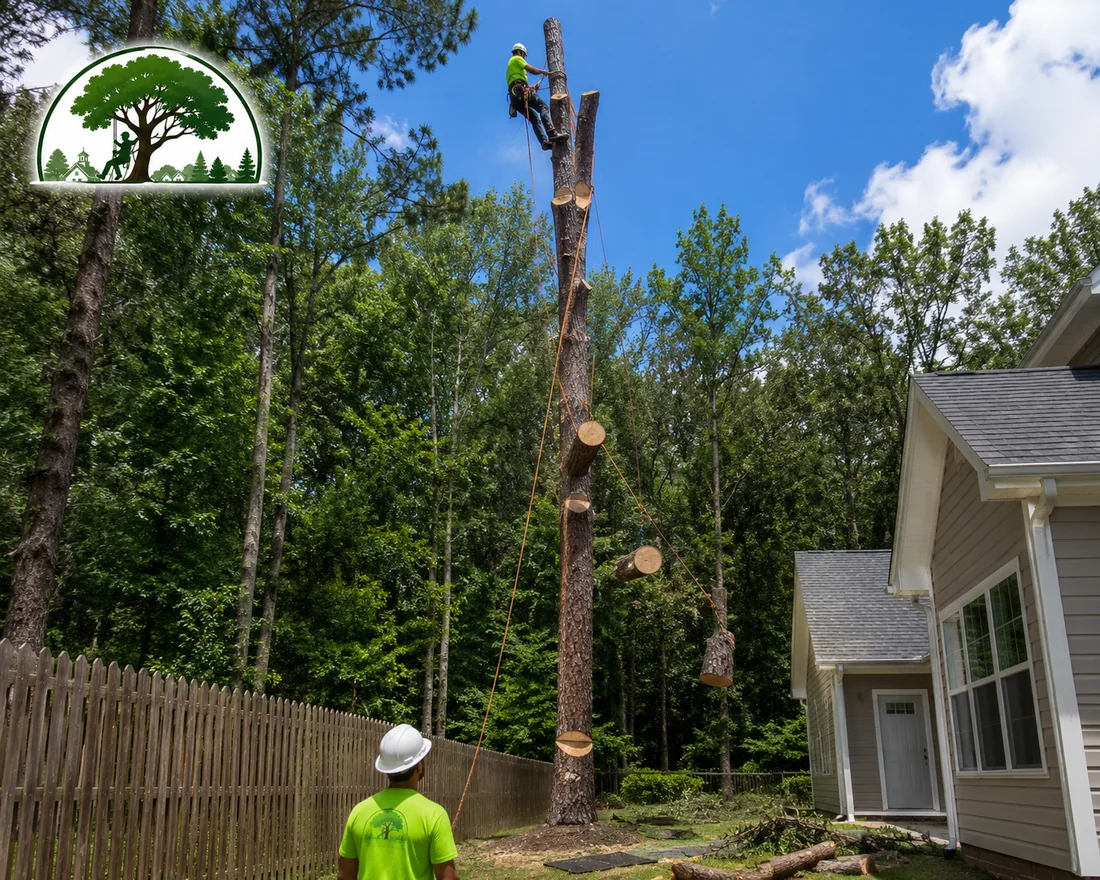
If the dead branch is bigger than your arm, or if it is high in the tree and you would need a ladder, stop. Working at height is one of the most dangerous things a homeowner can do. A fall from a ladder can cause serious injury. Likewise, if the tree has large dead limbs that could fall on your house or a neighbor's property, the job is best left to a trained arborist with the right equipment and insurance.
A professional tree pruning service can assess the whole tree, not just the dead branches. They can spot structural weaknesses, signs of disease, and branches that need to go for the long-term health of the tree. They also know how to make cuts that promote good crown structure and reduce the need for future removals.
After the Cuts Are Made
Once you have removed the dead branches, clean up the debris. Dead wood left on the ground can harbor insects and fungi that might spread to healthy trees. If the branches show signs of disease, do not put them in your compost pile. Dispose of them with your yard waste or take them to a local green-waste facility.
Water the tree well if the weather is dry, especially in the first season after pruning. A healthy tree can close wounds faster than a stressed one. Mulching around the base - not touching the trunk - helps keep the soil moist and cool.
Check the tree again in a few months. Sometimes a branch that looked alive in winter will fail to leaf out in spring. That is normal; just remove it then. Over time, consistent removal of dead wood keeps the tree strong, safe, and looking its best.